Synthetic sweeteners
- Very high intensity
- Low industry cost
Chemical aftertaste and application limits

Don't drop the soda,
Dulzein Bio Plant-produced protein sweetener
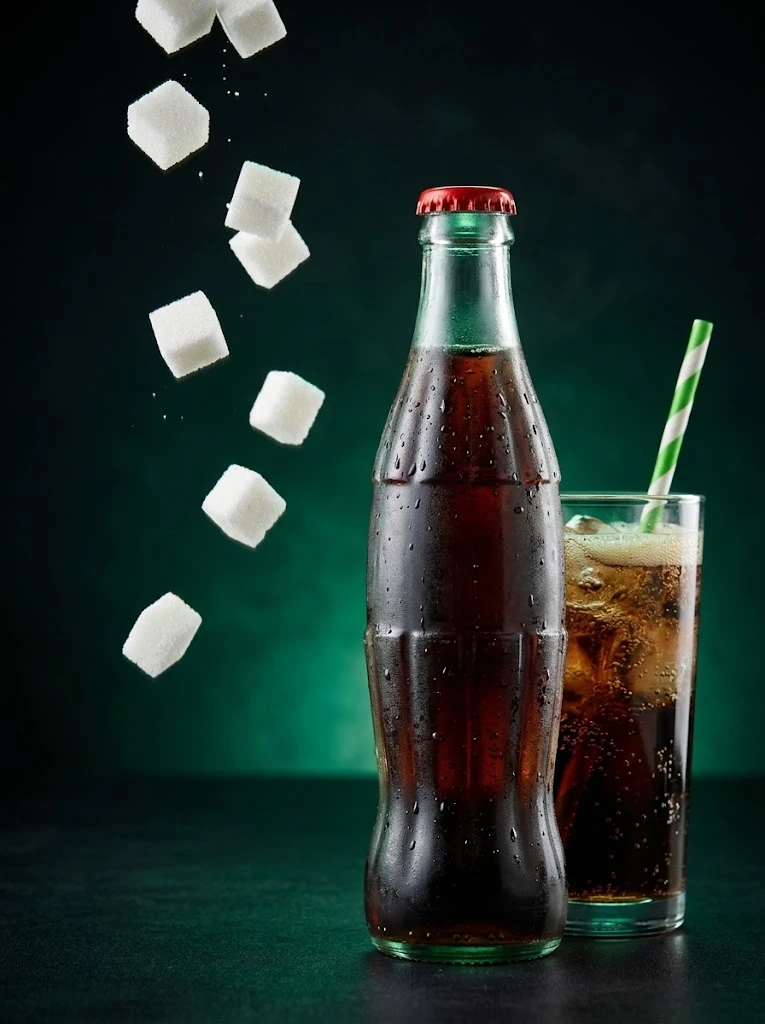
“The number of people living with diabetes rose from 200 million in 1990 to 830 million in 2022.”
WHO strongly recommends that adults and children keep free sugars below 10% of total energy intake.
Source: WHO sugars guideline, 2015Sugar reduction without losing the product experience.
An opportunity: using plants as biofactories for nutritional ingredients.
Chemical aftertaste and application limits
Bitter notes; often need masking agents
Needs a new, scalable production route
Sources: IntechOpen, Chemistry of Food Sweeteners; Dimensions of Dental Hygiene, Sweetness Without Sugar.
Up to 2,000 times sweeter than sucrose (500× against a 10% sugar solution).Source: Ming & Hellekant, FEBS Letters, 1994
Only 54 amino acids: one of the smallest sweet proteins.Source: Ming & Hellekant, 1994
Still tasted very sweet after 2 hours at 98 °C, in taste tests from pH 2 to 8.Source: US Patent 5,346,998
The question is not whether it works. The question is how to produce it competitively.
Plant-optimized brazzein gene and expression cassette.
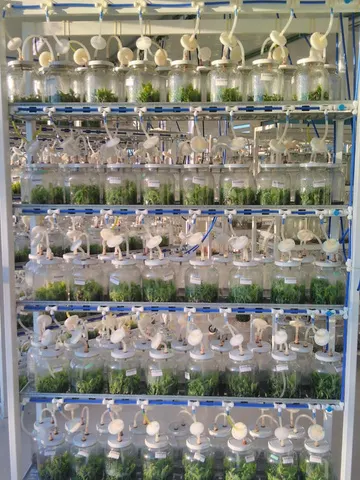
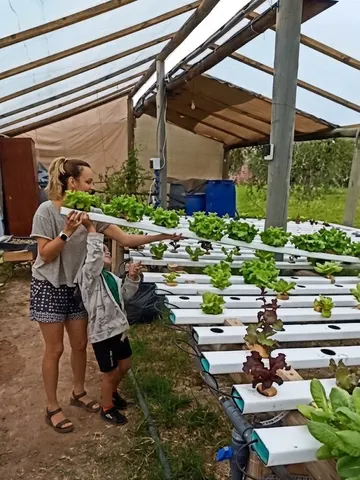
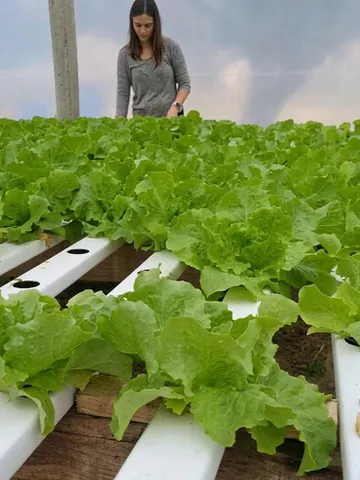
Transient expression in hydroponic lettuce through agroinfiltration.
A heat step that leverages brazzein's thermostability, confirmed by ELISA and Western blot.
Public B2B listing. Higher-purity offers reach about US$1,500/kg.
Reference price, not a quote.
Modeled cost of fungal fermentation (T. reesei, 1.3 g/L in bioreactor).
Reference range.
The market already has a price. Our plant route aims to offer a clean ingredient, B2B, to beverage and consumer packaged goods leaders urged to cut sugar.
Microbial production
Plant production
Commercial supply and development stages vary across companies.
Brazzein is already on the market. Our goal is to make it accessible to everyone.
of sweetness
as demand grows
to the mass market
Business modelB2B
Plant + gene design
Brazzein detected & tasted
Cost model + IP clear
Pilot + first B2B deal
First commercial agreement by 2030, with a plant-made sweet protein at a fair price.
Reference ranges, not a budget. Sources: Agencia I+D+i Startup TRL 3-4 (up to US$150K); The Yield Lab Latam (US$100K–1M); Venturance (US$450K–3M). Pilot-scale cost: no verified source yet.
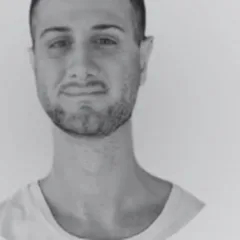
We envision a sustainable and optimized production of widely used ingredients.
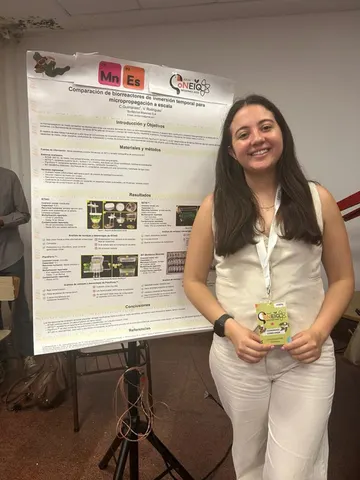
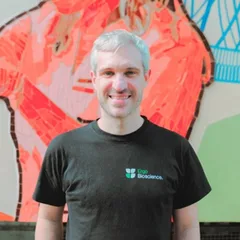
CEO & Co-founder, Ergo Bio

Founder, Sobo Bio
Investors, food and beverage companies, researchers: tell us who you are and how you'd like to get involved.
Plant biotech patents and freedom to operate.
Seed rounds in Latin America.
Molecular farming at scale.
Takes 2 minutes. We'll get back to you.